
On the road down into Goa there is a very particular sensory shift, a transition that seasoned travelers instantly recognize. The frantic, aggressive beat of Indian highway traffic on the mainland begins to unwind slowly. The air becomes denser, with the smell of damp earth, crushed cashews, and salt-laden sea breezes. Next to the tarmac, giant coconut palms start marching in unison, bowing down in welcome to another dimension.
For the average tourist, Goa is usually just a tick box on a list of tropical holidays. A short weekend break of cheap beer, souvenir stalls, and easy beach selfies. But slow down a little, ditch the usual itinerary, and scratch beneath the sun-bleached surface, and you soon realize that Goa is more than a dot on a map. It is a mood, living, breathing, endlessly complex.
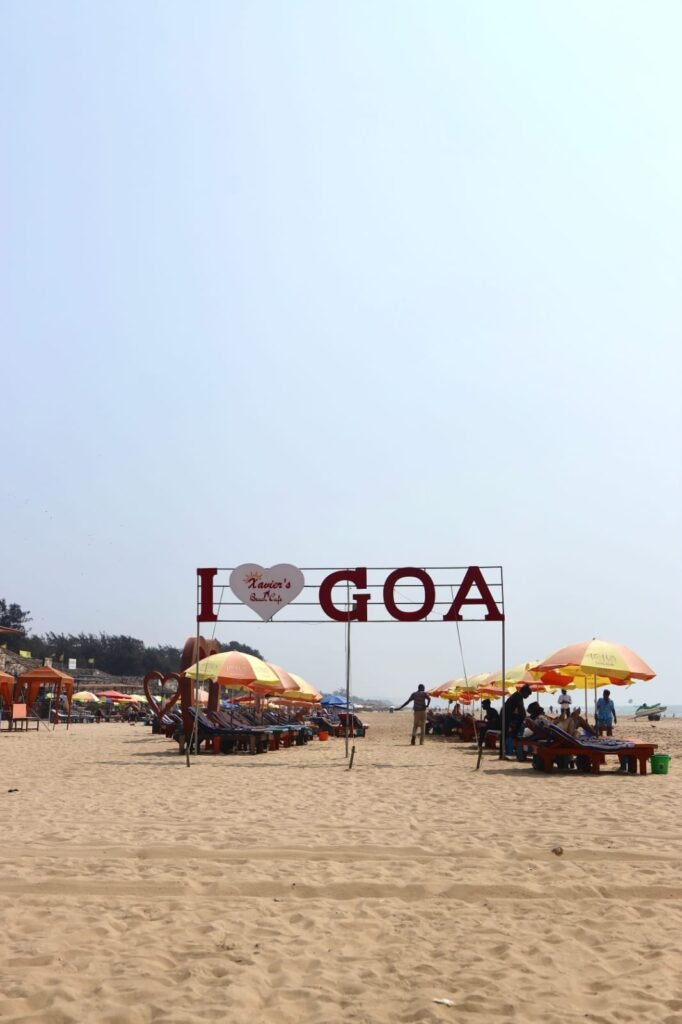
It is a rare place on Earth where a single day can begin with the violent, exhilarating crash of Arabian Sea waves against jagged black rock. Flow seamlessly into a lazy afternoon wandering through pastel-colored, European-style alleyways. And end under a canopy of bass-heavy, starlit skies where time ceases to exist. I’ve visited this seaside island more times than I can count over the years, and each visit reveals a new dimension of its alluring personality.
The Tale of Two Coastlines: From Northern Energy to Southern Solitude
To really understand Goa’s beaches, you must first embrace a fundamental geographical truth. Goa is essentially two very separate worlds joined together by a single coastline. Your experience here will be totally determined by which side of the river you choose to anchor on.
North Goa: The Bohemian Heartbeat.
My initial introduction to Goa always appears to occur in the north. Places like Anjuna, Vagator, and Arambol retain a raw, quirky, and passionately bohemian attitude. That decades of commercialization have failed to extinguish.
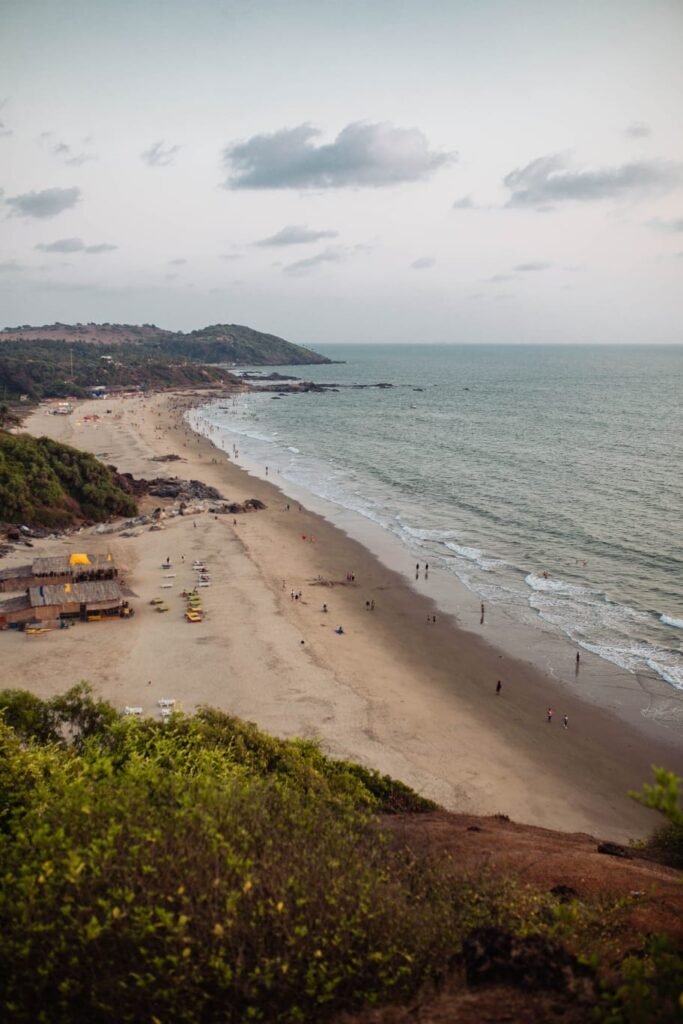
I still remember sitting on Vagator’s black, volcanic rock formations as the sun dropped toward the horizon. The sky turned a bruised hue of angry purple and molten gold, and the subtle. Rhythmic beat of bass flowed up the cliffside from a hidden pocket café. North Goa is wild, colorful, endlessly sociable, and unabashedly loud.
It’s a spot where you abandon your agenda, rent a beat-up, sputtering scooter. And get lost in tight, winding lanes surrounded by dense cashew groves. You come across quiet coves where international backpackers congregate with acoustic guitars. And hand drums to share stories beneath the moonlight. It’s lively, theatrical, and filled with an unpredictable, youthful energy that keeps you on your toes.
South Goa: The Silent Sanctuary
However, there will definitely come a time on every journey. When the unrelenting cacophony of the north starts to erode your patience. When it occurs, the best remedy is only an hour’s drive south across the Zuari Bridge.

Entering South Goa is more like entering slow motion than relocating to a new place. This region’s beaches, which span exquisite stretches like Palolem, Agonda, and Colva, spread in broad, leisurely crescents of spotless white sand. The soundtrack is dominate by the hypnotic hiss of blue water sliding gently over the shore, rather than loud beach shacks battling with techno rhythms.
On my most recent trip, I loung on a torn hammock that was secure stretched between two drooping palm trees at Palolem for an entire afternoon. While stray dogs slept sweetly in the dappled shade, completely unaffected by the passing world. I observed local fishermen skillfully hauling in their huge nets. South Goa is a complete haven for the tired soul, while North Goa is design for the restless traveler.
The Rhythm of the Nite: More than Commercial Clubs
Travel magazines frequently highlight Goa’s fabled nightlife. But the glossy, bottle-service photos you see online are not at all like the actual Goa after dark. Though they have their own neon-soaked, high-energy charm, large commercial locations like Club Cubana perched. Dramatically high on the slopes of Arpora with its blazing neon lights—only tell part of the narrative. In Goa, the most memorable and genuine nights are nearly always the result of pure happenstance.
It is about having your bare feet buried deep in the cool, wet sand while seat at a modest, slight unsteady wooden table at a family-run beach house in Anjuna. Sharing substantial portions of Goan poe bread, hot, vinegar-tangy fish curry rich with regional spices, and garlic butter tiger prawns is what it’s all about. It’s the way a spontaneous midnight stroll on the beach beneath a terrifyingly bright ceiling of stars develops from a casual, throwaway talk with a total stranger over a bottle of cool Kingfisher or strong, local cashew feni.
Naturally, there is also the soundtrack. Sonic vagrant have long been drawn to Goa. The local music scene in Assagao is as wildly varied and eclectic as the human mosaic that washes up on its shores every season, whether it’s an underground psytrance gathering hidden deep within a coconut palm jungle or a gritty, soulful live acoustic band singing classic rock covers in a leafy, candlelit courtyard.
Revealing the Portuguese Heartbeat Through Whispers of the Past
During my initial excursions of Goa, I was actually surprise to discover that this seaside region did not feel wholly Indian or classically European. Rather, it was a living cultural monument created by more than 450 years of unbroken Portuguese colonial rule—a completely unique and interesting combination. When you finally turn away from the sea and venture far into the maze-like heart of Fontainhas, the ancient Latin Quarter of Panjim, you are most struck by this startling duality.
It feels more like getting lost in a sun-drenched Mediterranean village than navigating an Indian city when you go down these incredibly narrow, sloping pathways. A bold, vivid color scheme of marigold yellow, dazzling blue, salmon pink, and pastel green is used to paint the ancient residences in this area. They have elaborate wrought-iron balconies covered in bougainvillea, classic oyster-shell windowpanes that block off the strong tropical glare, and real overhanging terracotta tile roofs.
This is a genuine, breathing neighborhood, not a museum piece, even if every street corner appears to have been painstakingly set for a postcard. While you stroll, you’ll see elderly people sweeping their immaculate front doorsteps and local cats relaxing against vibrant walls, totally unaffected by inquisitive bystanders.
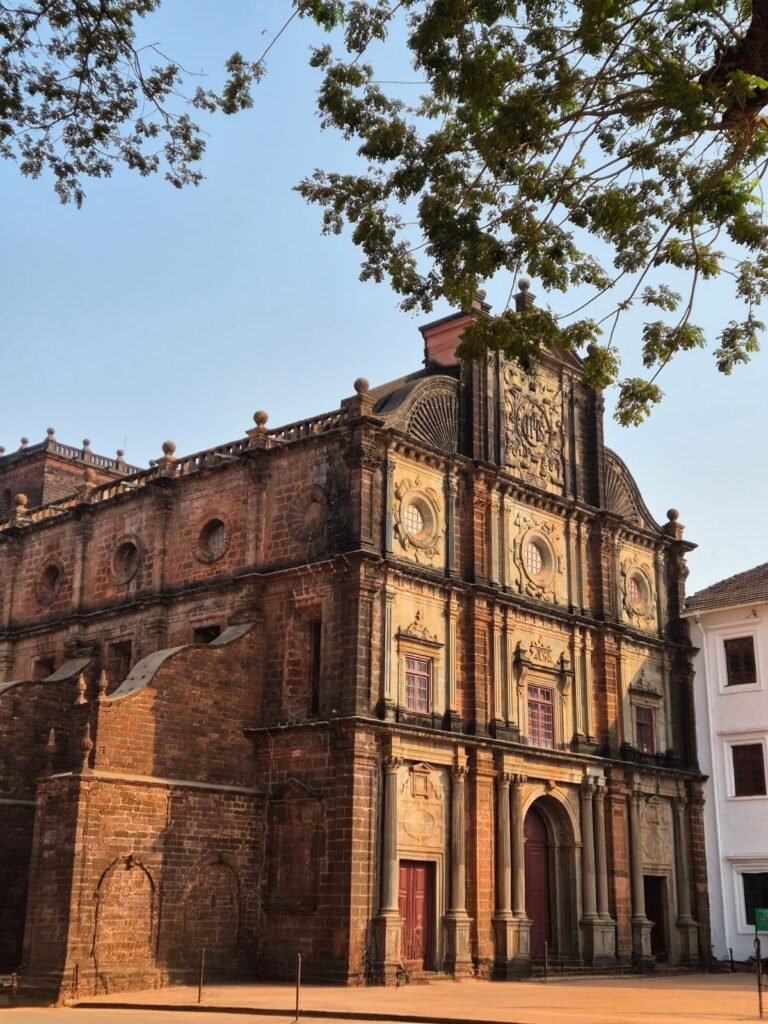
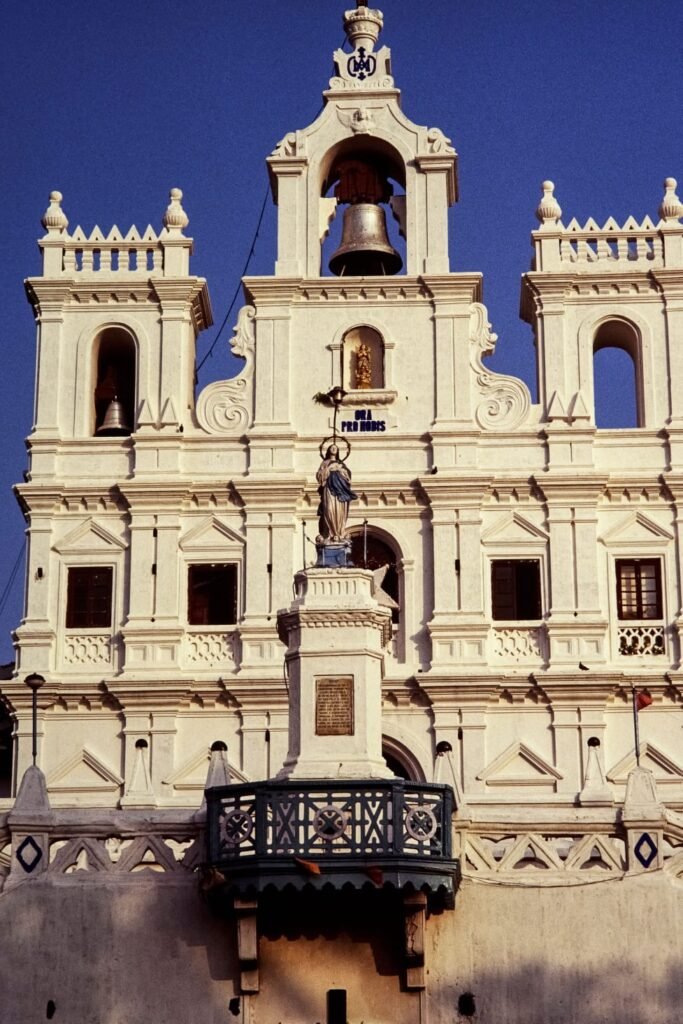
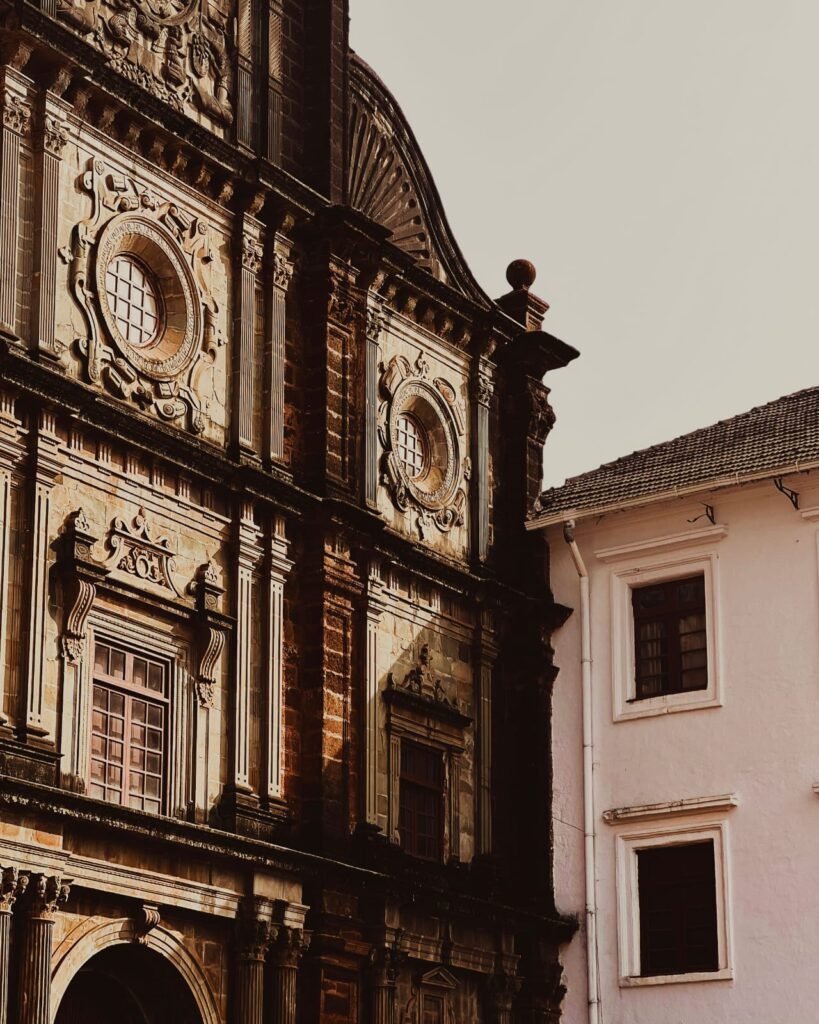
The architectural scale suddenly changes from pleasant domestic tradition to massive imperial power if you drive a little further inland toward Old Goa. It is a very humble experience to enter the quiet spacious interior of the Basilica of Bom Jesus, where the mortal remains of St. Francis Xavier are inter or to stand in front of the imposing, blindingly white exterior of the Se Cathedral. These enormous UNESCO World Heritage sites serve as silent, commanding reminders of a convoluted, frequently violent colonial past that permanently changed the cultural makeup of this coastal region.
Culinary Journeys: A Culinary Symphony of Spice and Sea
It is impossible to write about Goa without giving its kitchen a great deal of respect. Goan food is a masterwork of cultural fusion, combining the rich, vinegary preservation methods brought by the Portuguese with the fiery, native heat of Konkan spices.
Here, I received my culinary education in small, unmarked rural restaurants called “sauras” or “humble fish-thali houses. ” I recall dining in a small, tin-roofed restaurant in Mapusa where the proprietor just yelled out what the morning catch produced rather than having a menu on paper.
An artistic creation is a classic Goan fish thali. A steaming mound of red parboiled rice sits in the middle, surrounded by bowls of fiery mackerel curry (Xitt Kodi), crisp rava-fried fish that breaks apart at the first bite, tart sol kadhi (a bright pink digestive beverage made from kokum and coconut milk), and stir-fried dry vegetables seasoned with grated coconut. Sour, sweet, spicy, and intensely delicious flavors explode with every bite.
Not to be overlook are bakeries. The daily custom of the poder, the traditional village baker who still rides throughout residential streets in the early morning hours and blows a distinctive horn to announce fresh deliveries of hot, crusty poe and sweet, buttery poi buns, is a testament to the Portuguese heritage.
The Enchantment of the Monsoon: Goa Turns Emerald
The majority of tourists make the error of packing their bags and leaving Goa as soon as June’s heavy skies appear. They entirely miss out on the monsoon, which is perhaps Goa’s most transformational season, as they chase the dry winter sun.
A few years ago, I took an impulsive vacation during the rainy season, and it totally changed how I felt about the location. Overnight, the bustling, dusty tourist destinations became a striking, colorful emerald sanctuary. The barren, dusty fields came alive with neon-green paddy stalks. The waterfalls grow into enormous, roaring cascades of white water that pierce through the thick green canopy. The most famous of these is the magnificent Dudhsagar Falls, which thunders down through the densely forested Bhagwan Mahaveer Sanctuary.

During the monsoon, there are no beach parties. Swimming is severely prohibit in the sea, which is ferocious and violent. Goa, however, provides a deep, contemplative silence in its stead. A unique form of tranquility that dry-season tourism can never match is experience as you sit on a veranda with a hot cup of ginger tea, watch sheets of heavy rain roll across the swaying coconut trees, and listen to the distant roar of the storm.
Why Goa Remains in Your Memory Long After You Depart
Sunburned shoulders, pockets full of silky sea glass, fine white sand stuck in the seams of their backpacks, and camera rolls full of breathtaking seaside sunsets are among the tangible mementos that travelers nearly always take with them when they depart Goa.
However, an intangible psychological transformation is what really persists long after you have packed your bags, boarded a plane, and thrown yourself back into the relentless, grinding machinery of daily city life. It is the subdued assimilation of the Susegad lifestyle.

Susegad is not laziness, nor is it mere relaxation. It is a deeply ingrained Goan philosophy that loosely translates to absolute contentment. A celebration of rest, and a fierce, unapologetic refusal to rush through the precious moments of existence. It is the sudden, jarring realization that things will happen precisely. When they are meant to happen and that there is zero point in sweating the small, insignificant stresses of modern life.
In a hyper-connect global culture that is utterly obsessed with speed, hustle, productivity, and endless achievement. Goa acts as a gentle, persistent mirror. It forces you to exhale, turn your gaze toward the horizon, listen to the endless rhythm of the tide, and remember how to simply exist.
Frequently Asked Questions (FAQs)
When is the ideal time to travel to Goa?
November through February are the best months to visit Goa because of the lovely, dry weather. On the other hand, coming during the monsoon season (June to September) offers serene, uncrowded surroundings and verdant scenery.
What distinguishes North Goa from South Goa?
North Goa is renowned for its vibrant markets, lively nightlife, bohemian atmosphere, and friendly beach shacks. South Goa is well-known for its serene, spacious white sand beaches, laid-back luxury, and leisurely vibe.
Where in Goa can I see Portuguese architecture?
Fontainhas, the Latin Quarter of Panjim, with its meandering, tiny alleyways and vibrantly colored. Mediterranean-style residences, is the ideal spot to explore Portuguese colonial heritage.
What is meant by Susegad?
Susegad, a Goan philosophy with Portuguese origins, means “contentment, relaxation, and a refusal to rush through life.”

Welcome to Guide To Globe 46! I’m passionate about helping travelers explore the world with confidence and on a budget. Here you’ll find practical travel guides, hidden gems, solo travel tips, food experiences, and destination inspiration. My goal is to provide accurate, helpful, and easy-to-follow content that makes every journey memorable and enjoyable. Thank you for being part of this adventure!





Leave a Reply